How Tree Removal Affects the Ecosystem
Trees play a crucial role in maintaining the balance of our ecosystem. They provide oxygen, improve air quality, conserve water, and support wildlife. However, when trees are removed from an area, it can have significant effects on both the environment and the remaining plant life. Understanding these impacts is essential for making informed decisions about land management and conservation. This article will explore how tree health and growth are affected by removing trees from landscapes.
Tree Health After Nearby Trees Are Removed
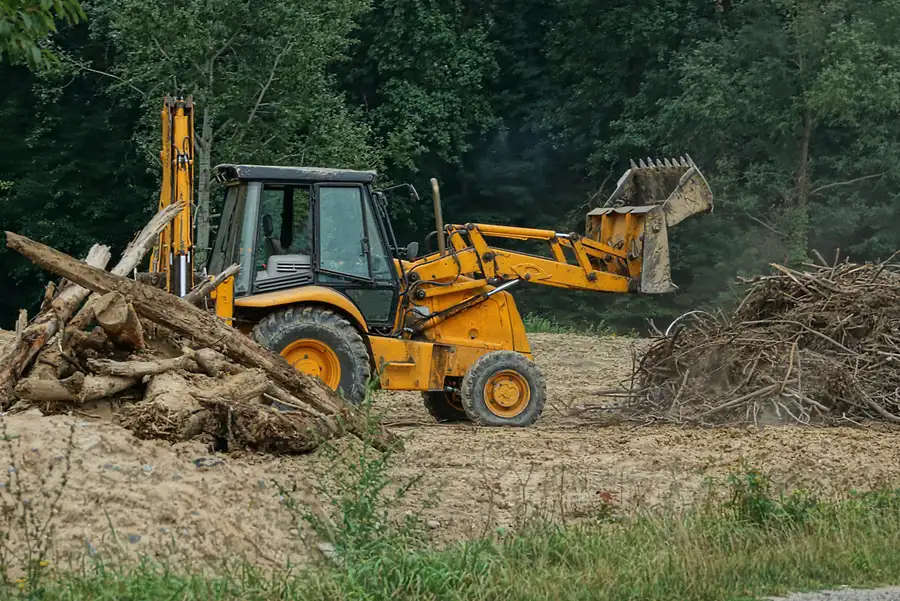
When land clearing occurs, trees left standing may face increased stress. The removal of neighboring trees changes their exposure to elements such as wind and sunlight. Without the shelter provided by other trees, they might suffer from damage or dehydration due to increased light and wind exposure. The sudden change can also make them more vulnerable to pests and diseases, which thrive in stressed plants. Ensuring proper care for remaining trees after clearing can help mitigate these risks.
Effects on Soil Quality and Fertility
The process of land clearing can disturb the soil structure significantly. When trees are removed, the exposed soil becomes more susceptible to erosion, which washes away nutrients essential for plant growth. Furthermore, tree roots help maintain soil fertility by recycling nutrients back into the ground. Without them, nutrient cycling is disrupted, impacting future vegetation growth negatively. Implementing measures like mulching and planting cover crops can aid in preserving soil health after clearing activities.
Changes in Water Availability
Trees play a pivotal role in regulating water cycles within an ecosystem. They absorb large quantities of groundwater, which helps prevent flooding during heavy rains. During dry spells, they release moisture back into the atmosphere through transpiration. After land clearing, these natural processes are hindered. This alteration not only affects tree health but also impacts local water availability for agriculture and human consumption. To counteract this, it might be necessary to implement artificial irrigation systems or replant native species that require less water.
Impact on Local Wildlife Habitats
Land clearing disrupts the habitats of numerous animal species that rely on trees for food, shelter, and breeding grounds. Birds, insects, and small mammals often depend on specific types of vegetation found in wooded areas. The removal of trees forces these creatures to relocate, which can result in decreased biodiversity. Creating buffer zones with native plants around cleared areas can help preserve wildlife habitats while supporting overall ecosystem health.
Alternative Methods to Reduce Environmental Impact
To minimize the negative consequences of removing trees, alternative methods such as selective logging or staggered clear-cutting can be used. These approaches involve carefully choosing which trees to remove while leaving others intact to maintain some habitat structure and soil stability. Additionally, reforesting cleared areas with suitable native species supports recovery and long-term sustainability. Working with experts in ecology and forestry ensures that these strategies are effectively implemented.
Cost Considerations for Responsible Tree Removal
The financial implications of responsible tree removal should not be overlooked. While environmentally friendly practices may initially appear costlier than traditional methods, they offer long-term benefits such as reduced erosion and improved water management. These advantages contribute to better agricultural productivity and enhance property value over time. Evaluating the return on investment from sustainable practices is crucial when planning land development projects.
Take Action for Healthy Landscapes
Protecting tree health and encouraging new growth after land clearing requires careful planning and execution. By understanding potential impacts and adopting sustainable practices, individuals can help ensure vibrant ecosystems for generations to come. Reach out to F&A Farm Service at (352) 875-0235 to explore how we can assist you with your land management needs. Our team is based in Dunnellon, FL, ready to provide expert guidance tailored to your situation.